Houston Ship
Channel Injury
Lawyer
The Port of Houston is the largest U.S. port by foreign waterborne tonnage. Workers along the 52-mile Houston Ship Channel face some of the most dangerous conditions in the country.
Understanding Houston Ship Channel Injuries
The Houston Ship Channel stretches 52 miles from the Gulf of Mexico to the Port of Houston Turning Basin. The Port of Houston handles more foreign waterborne tonnage than any other U.S. port and ranks first nationally in petrochemical and petroleum product traffic. Over 200 million tons of cargo move through the channel annually, requiring thousands of dock workers, crane operators, stevedores, pipeline workers, and marine personnel to keep operations running.
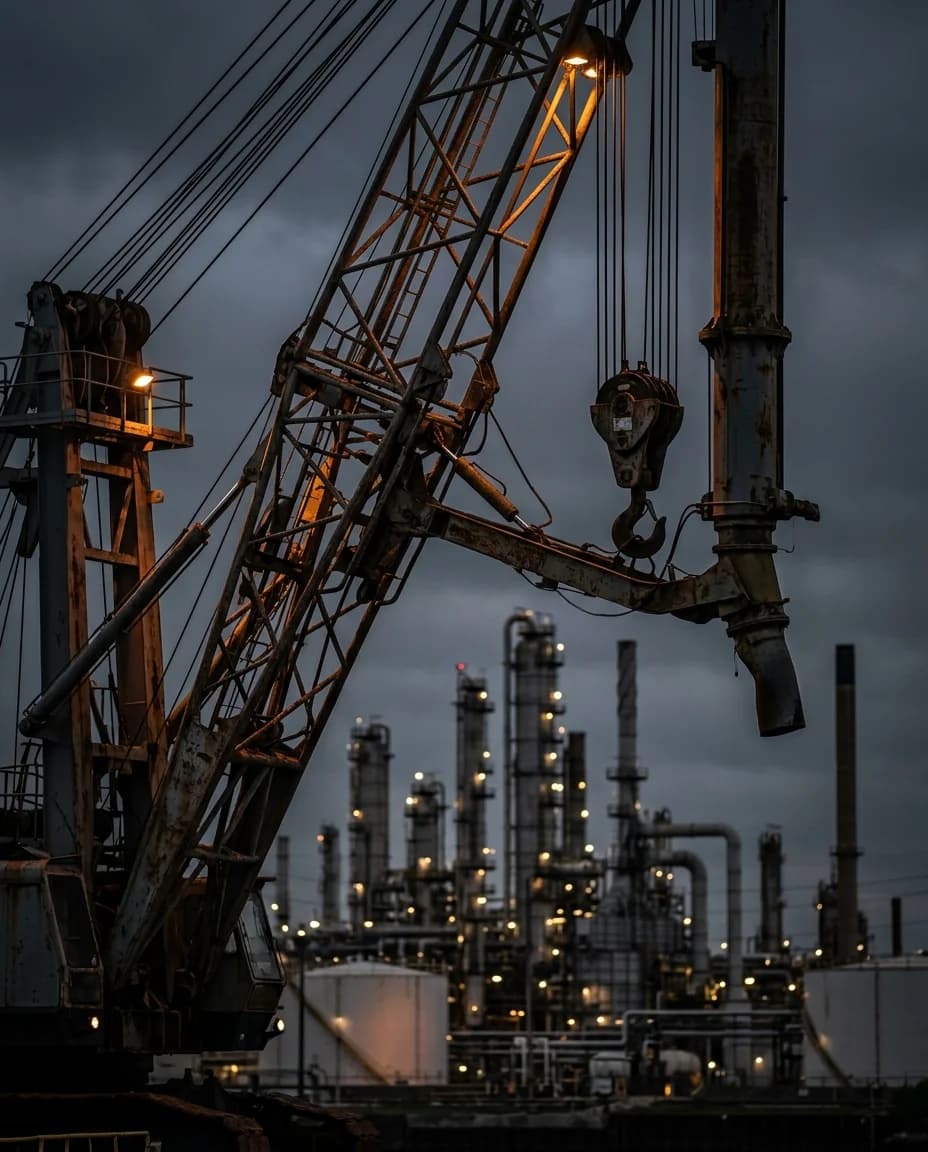
Ship Channel injuries range from acute trauma to chronic occupational disease, and a Houston work injury lawyer can help determine your legal options. Dock workers handling containers face crush injuries from shifting loads and equipment malfunctions. Crane operators work at extreme heights with multi-ton loads suspended overhead. Workers transferring cargo between vessels and shore face fall hazards from gangways, barges, and dock edges. Chemical cargo spills expose workers to toxic substances without adequate warning.
Many Houston Ship Channel workers are unsure whether their injuries fall under state workers comp, the Longshore and Harbor Workers Compensation Act, or the Jones Act. Regardless of which system applies, most Ship Channel injuries involve third parties whose negligence can be pursued through a separate personal injury lawsuit. Texas law protects workers from employer retaliation for filing claims, and consultations with licensed attorneys are completely confidential.
Common Injuries on the Houston Ship Channel
Third-Party Liability on the Houston Ship Channel
Houston Ship Channel operations involve a complex mix of vessel owners, stevedoring companies, terminal operators, crane manufacturers, trucking firms, and petrochemical pipeline operators. When a vessel owner fails to maintain safe deck conditions, when a crane manufacturer delivers equipment with defective safety interlocks, or when a trucking company violates loading protocols at the terminal, these third parties can be held liable for worker injuries.
Many dock workers and Ship Channel personnel are employed by smaller contractors but work at facilities owned and controlled by major terminal operators. If the terminal owner failed to maintain safe working conditions or if another contractor's negligence contributed to your injury, you may have a third-party claim worth significantly more than workers comp or LHWCA benefits alone. Workers near the Channelview industrial corridor face overlapping hazards from Ship Channel operations. Learn how OSHA violations strengthen your case. Our private case brief helps organize the Ship Channel facts, OSHA signals, and federal or state claim questions without notifying your employer.
Recent Incidents on the Houston Ship Channel
The Houston Ship Channel regularly sees incidents ranging from vessel collisions and barge capsizings to chemical spills that temporarily shut down traffic, many triggering OSHA investigations. The 2019 ITC tank farm fire in Deer Park burned for days and released toxic chemicals into the channel, impacting workers across multiple facilities. Crane accidents, cargo handling injuries, and dock-side falls are reported routinely at Port of Houston terminals.
Frequently Asked Questions
What is the difference between a maritime claim and a third-party claim on the Houston Ship Channel?
Can dock workers at the Port of Houston sue for injuries?
What types of injuries are common on the Houston Ship Channel?
Does the Jones Act apply to Houston Ship Channel workers?
How much cargo moves through the Houston Ship Channel?
Other Houston-Area Facilities We Cover
Data sourced from OSHA, BLS, and Texas court records. See our methodology.

Injured on the Houston Ship Channel?
Every day you wait reduces your options. Texas has a 2-year statute of limitations on personal injury claims. Find out in 60 seconds if you qualify for a third-party claim.